
14. The Obsession With The Common.
And our search for authenticity.

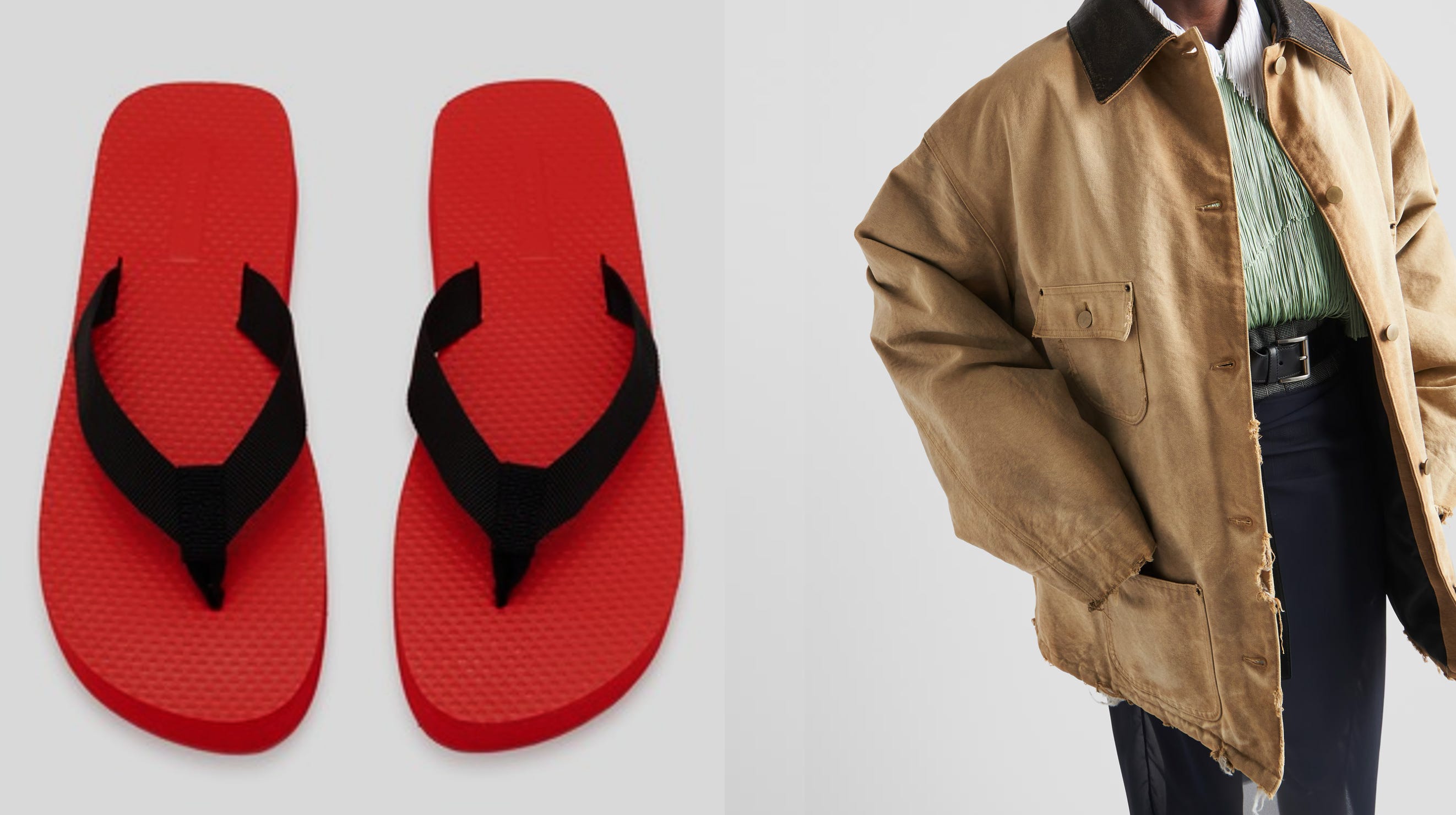
Maybe you have noticed it too. Simple everyday objects finding its way into fashion lately, quickly becoming the hottest items on the market. Yes, we are talking about the The Row Dune flip flops from this summer again. As well as the Prada version of the Carhartt workwear jacket, Miu Miu’s deck shoes and The Row’s Mara jelly bathing shoes. Basic, low-priced pieces born from function and practicality, originally made for workers, sailors and tourists, now uplifted to become the latest high fashion it-items. The TikTok debate has been in uproar, talking about “mediocrity rebranded as minimalism”, rightfully calling out price tags and quality on some of these products. Designer’s creativity has also been questioned as part of the discussion, where customers lack innovation and inspiration from leading brands and creative directors. I think this tendency, of high end brands returning to common references, is a very interesting one to observe. In my opinion it says a lot about the times we are living in and how status is shifting. Let’s dig a bit deeper shall we?
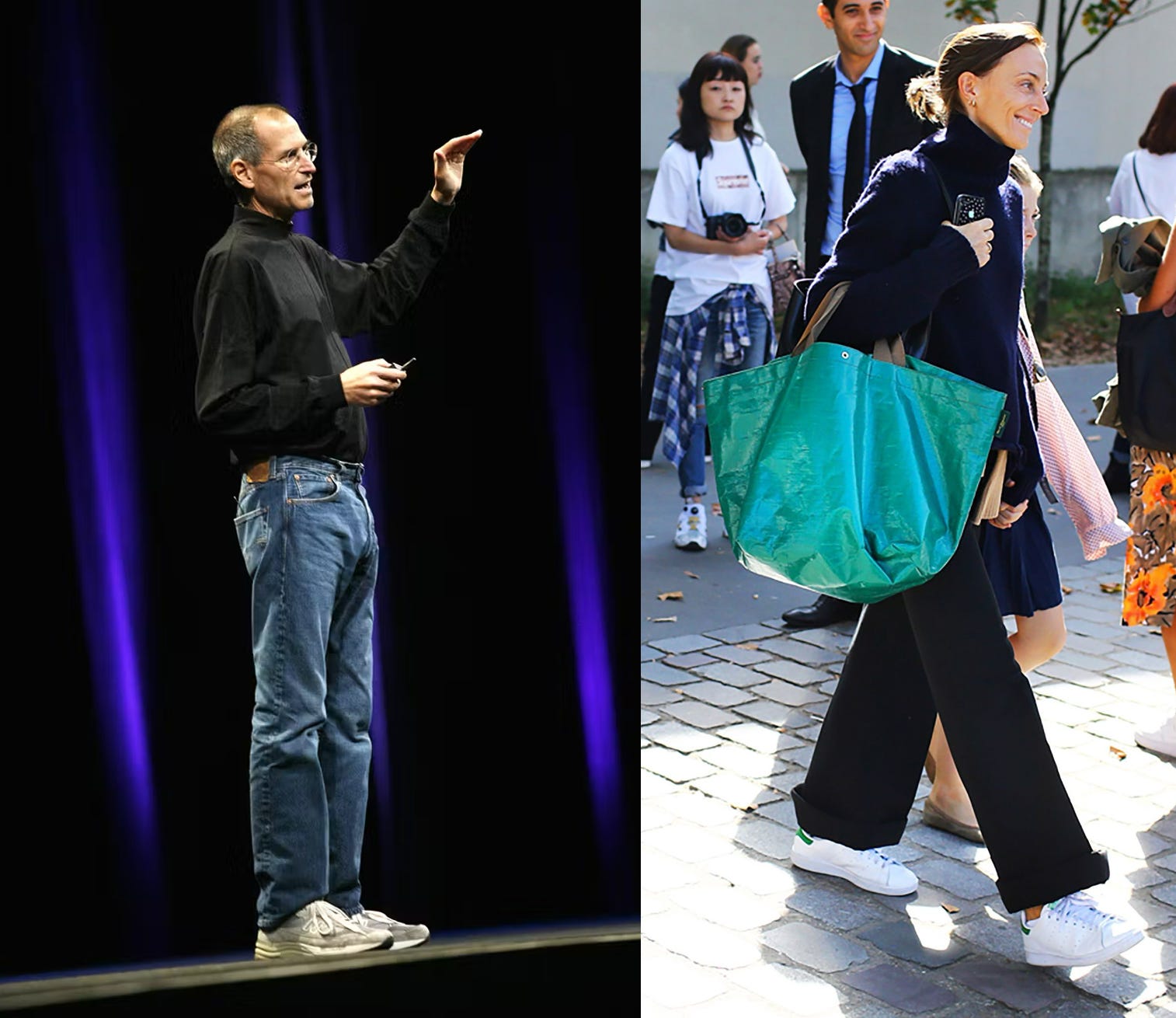
It all started with Norm Core, a term firstly introduced by comic artist Ryan Estrada in 2008. However, it didn’t gain cultural relevance until 2013, when the New York based trend forecasting agency K-Hole released one of their playfully critical downloadable PDF reports on the topic. Norm Core was described as a reaction to the time’s growing hipster movement, embracing the banality of plainness, of not being alternative, of not seeking difference to affirm your individuality. It was a wink to the system, using knowledge about fashion and social codes, plus a rather large portion of sarcasm to create a style totally based on understated basics to make you blend in to the average crowd. Yet, of course, what it really made you do, when used in the context of fashion and creativity, was stand out amongst your peers. Take Steve Jobs in his black turtlenecks, Levis 501’s and New Balance 990’s, or any creative director at a big fashion house. Norm Core quickly became the uniform for creative intellectuals, used to underline their authenticity and their quest for putting the craft first.
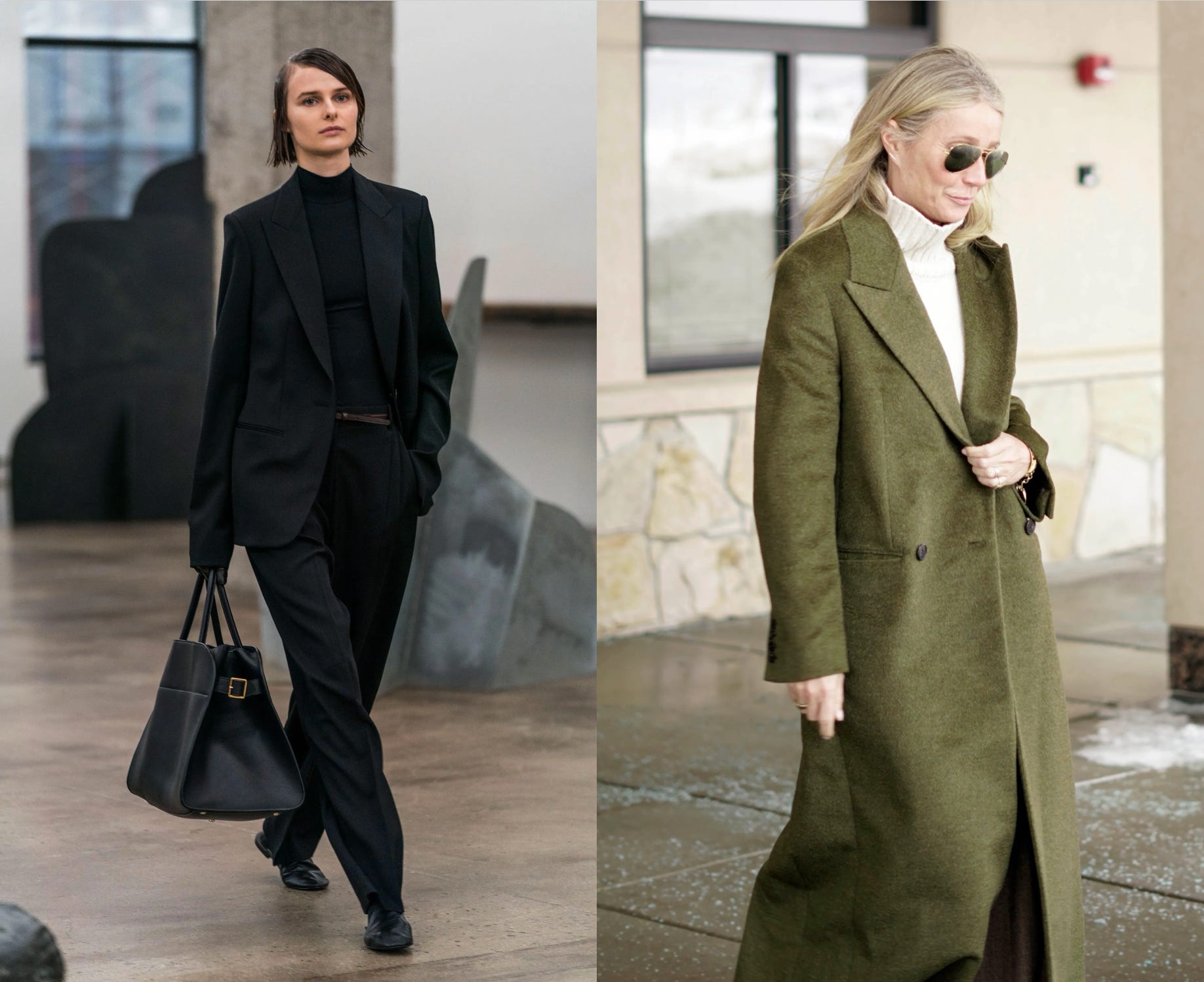
It then continued with Quiet Luxury, also called stealth wealth or old money aesthetics – a movement embracing understated elegance, high-quality materials and timeless design. Much like Norm Core, Quiet Luxury disregarded flashiness for a subtle and essential expression. The difference, however, was that while Norm Core used authentic and democratic items like Patagonia Fleece jackets and Birkenstock sandals, Quiet Luxury played on refined luxury items usually linked to a conservative upperclass like Hermes Kelly bags, cashmere sweaters and tennis bracelets. It was the era of The Row and Loro Piana. Its popularity lied in its way of detaching oneself from the peacocking that was going on in social media feeds, using sophisticated social codes to showcase superiority and taste. The style gained popularity in 2023 with the styling of the TV-series Succession and Gwyneth Paltrow’s outfits during her civil trial, analysed by media worldwide.
Today, we’re in the new era of Common Luxury, where the most common items are picked up, hardly reworked, yet rebranded and sold as high-end luxury. I think it says a lot about the times we are living in, when plastic flip flops for $690 are number 1 on the Lyst list of the hottest products in the world. It’s like a quiet revolution – the commodity is now the luxury. But unlike the Norm Core era, where the whole idea was to pick up on the real deal – the New Balance sneaker, the Levis jeans, Patagonia Fleeces and Birkenstocks – Common Luxury is about buying the high-end interpretation of the basic.
One can ask oneself, why are these common pieces suddenly so interesting? Well, it’s because they represent something real, something authentic. In a world of fast spinning trends and overconsumption, there’s something refreshing about these grounded, genuine references. For luxury houses like Prada and The Row, using common or functional coded items in their collections add authenticity to their brand DNA. And as we all know – ladies and gents – today, in a world of filters, AI and poses, authenticity is the highest form of status. Buying a commonly or functionally coded garment from a high-end brand shows you understand authentic references and codes, yet have status enough to buy it at a price point that separates you from the crowd. It’s a form of cultural capital – flaunting knowledge instead of trend (although you are of course flaunting both, buying a jacket referencing authentic workwear historically seen at Carhartt, but from Prada).
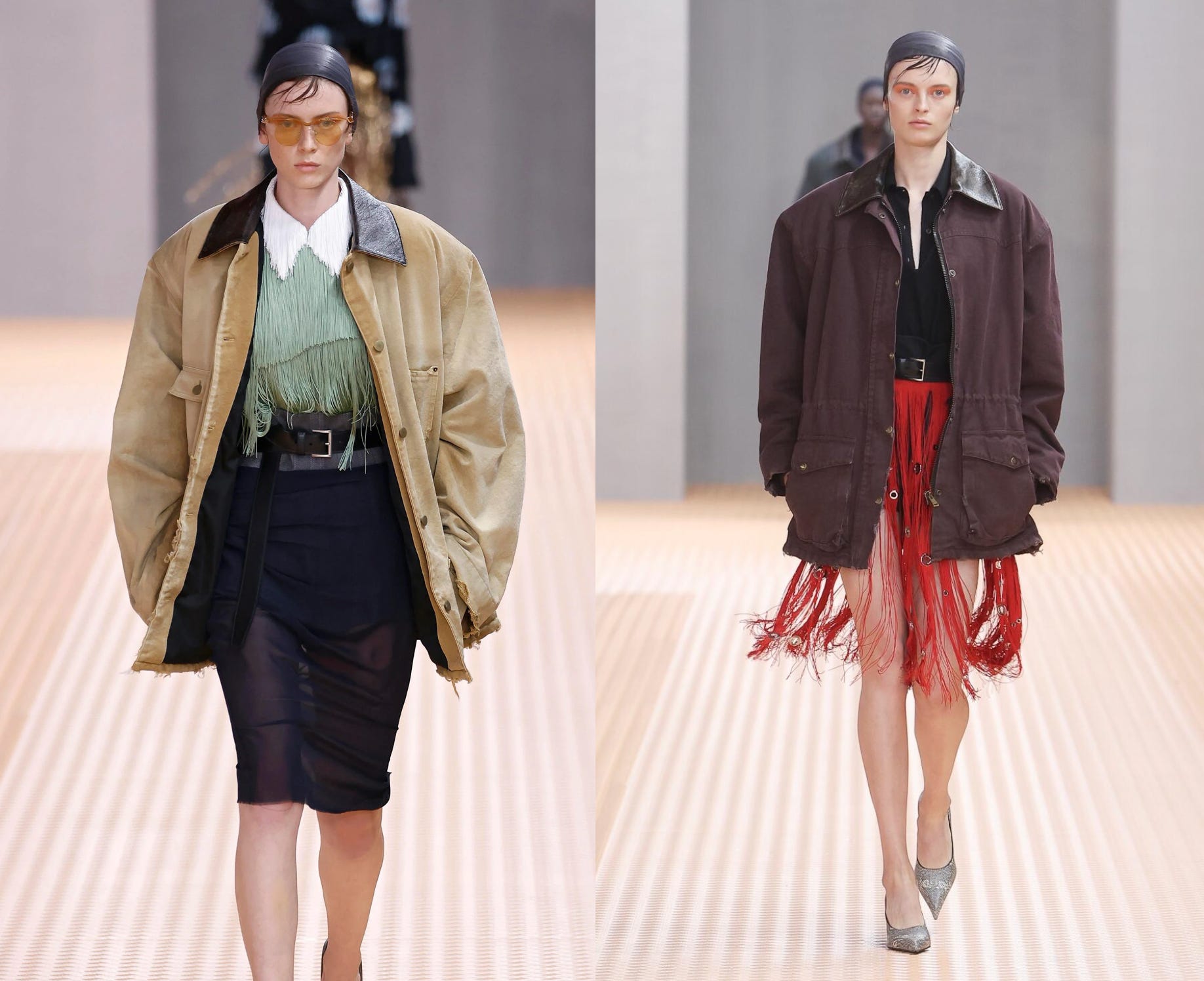
On the same topic, speaking about authenticity and cultural capital, there is also something interesting about the worn-in look that is gaining momentum. Like the Prada jackets having that distressed look, an imitation of being worn over and over. Faded colours, frayed edges and wrinkled – the more beaten up the better. It’s yet again a nod towards the common wardrobe where things are worn repeatedly year after year, not following trends but your own style. Authenticity through referencing the common. In 2025, nothing is cooler than being fashionably anti-fashion.
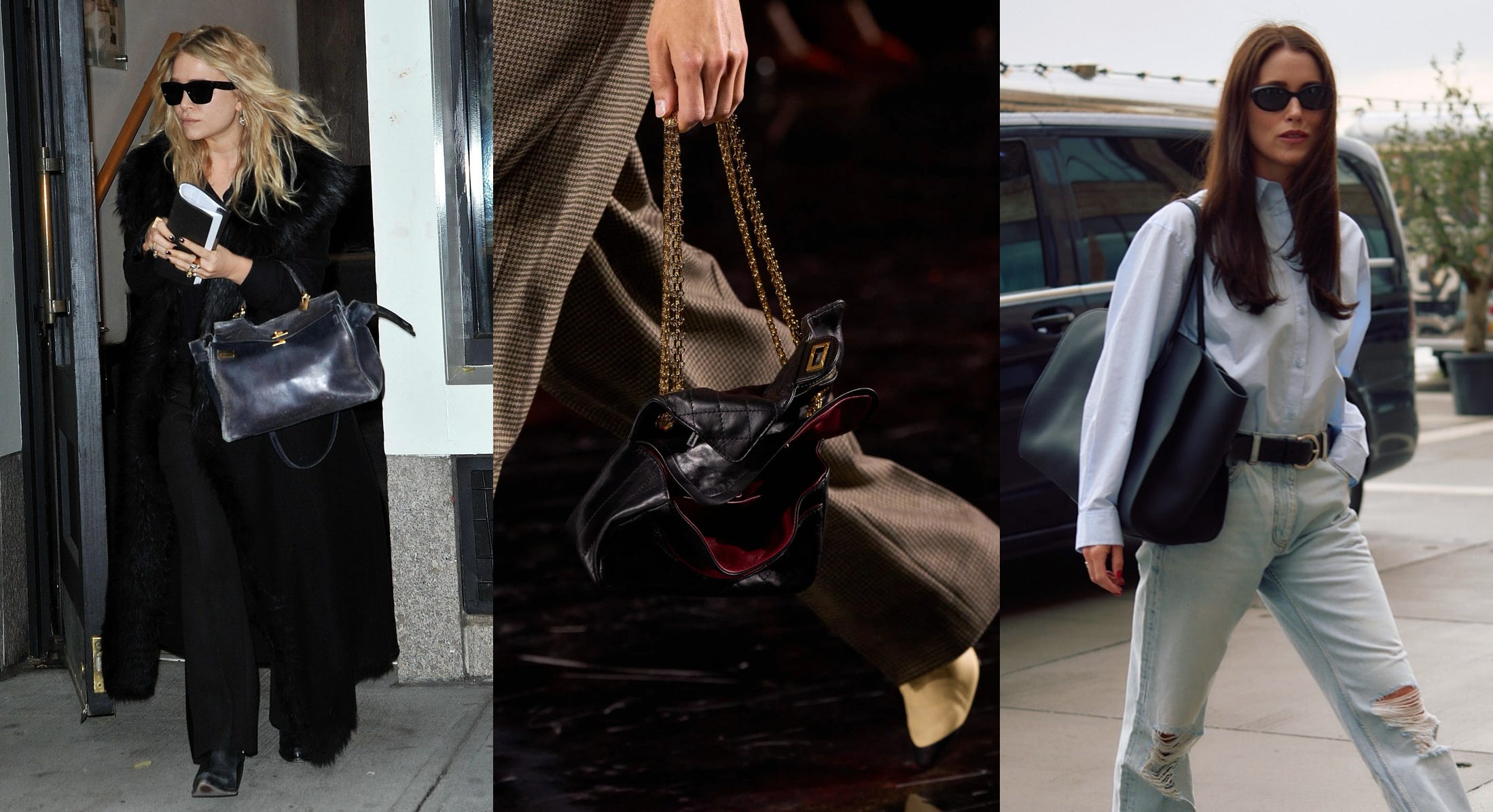
And apparently it continues in 2026. The long anticipated SS26 debut of Matthieu Blazy for Chanel showed their classic flap bag in a beaten-up condition that I’m sure Mary-Kate Olsen would approve of. We’ve also seen influencers and designers like Elin Kling and Annabel Rosendahl wearing torn jeans lately, tagging along to this modern version of a grunge tendency, referencing the real, yet bought at The Row (and I’m pretty sure soon sold at Toteme). This obsession with the common and our longing for authenticity and realness is, and will continue to be, one of the main driving factors within fashion – and I think we’ve only scratched the surface.
I wish you a lovely Sunday. Until next time,
x
//A